Top Strategies for Identifying Warehouse Hazards
Warehouses are complex environments where safety is paramount. Identifying hazards early can prevent accidents, reduce downtime, and protect both staff and inventory. In this post, I will share effective strategies for identifying warehouse hazards. These methods are practical and designed to help maintain a safe and efficient workspace.
Effective Methods for Identifying Warehouse Hazards
The first step in managing warehouse safety is to implement systematic hazard identification. This involves regular inspections, employee feedback, and the use of technology. Here are some key methods:
Routine Safety Inspections: Conduct daily or weekly walkthroughs to spot potential risks such as damaged shelving, spills, or obstructed aisles.
Employee Reporting Systems: Encourage workers to report hazards immediately. This can be done through anonymous forms or direct communication channels.
Use of Checklists: Develop detailed checklists tailored to your warehouse layout and operations. This ensures no area is overlooked during inspections.
Technology Integration: Employ sensors, cameras, or software that monitor environmental conditions and equipment status in real time.
By combining these approaches, you create a comprehensive system that continuously monitors and addresses hazards.

Identifying Warehouse Hazards: Key Considerations
When identifying warehouse hazards, it is important to focus on both obvious and hidden risks. Some hazards may be visible, such as broken pallets or exposed wiring. Others might be less apparent, like poor lighting or inadequate training.
To improve hazard detection:
Train Staff Thoroughly: Ensure all employees understand what constitutes a hazard and how to report it.
Analyse Incident Reports: Review past accidents and near misses to identify recurring issues.
Assess Equipment Condition: Regularly check forklifts, conveyors, and other machinery for wear and tear.
Evaluate Storage Practices: Improper stacking or overloading can lead to collapses or falls.
These considerations help create a safer environment by addressing a wide range of potential dangers.
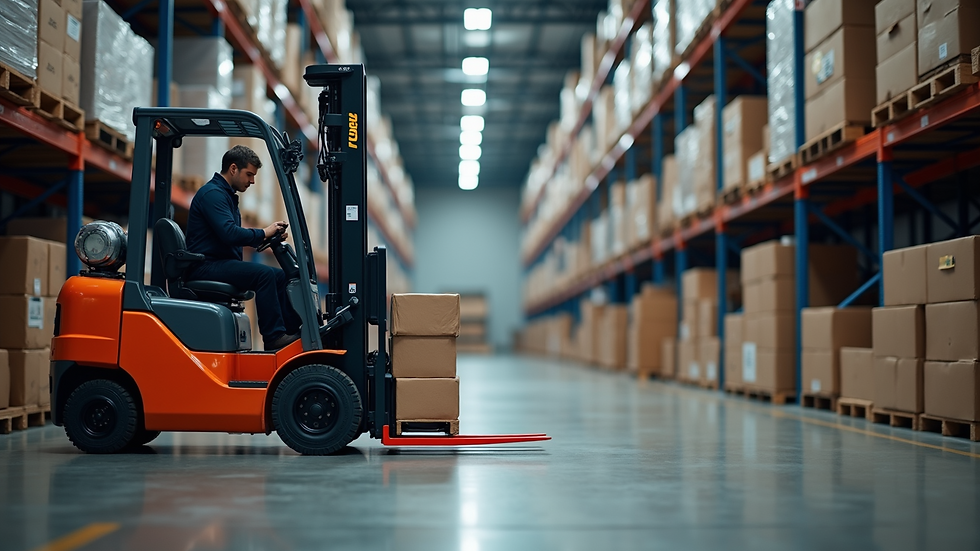
What are the Hazards in a Warehouse?
Warehouses contain various hazards that can affect safety and productivity. Understanding these hazards is essential for effective management. Common warehouse hazards include:
Slips, Trips, and Falls: Caused by wet floors, uneven surfaces, or cluttered walkways.
Falling Objects: Items improperly stored on high shelves can fall and injure workers.
Mechanical Hazards: Moving machinery parts, forklifts, and conveyor belts pose risks.
Ergonomic Hazards: Repetitive lifting, awkward postures, and manual handling can lead to musculoskeletal injuries.
Fire Hazards: Flammable materials, electrical faults, and blocked fire exits increase fire risk.
Chemical Exposure: Some warehouses store hazardous substances that require careful handling.
Each hazard requires specific controls and monitoring to reduce risk effectively.

Practical Steps to Enhance Warehouse Safety
After identifying hazards, the next step is to implement controls. Here are practical recommendations:
Improve Housekeeping: Keep floors clean and aisles clear to prevent slips and trips.
Use Proper Signage: Mark hazardous areas clearly with warning signs and floor markings.
Maintain Equipment: Schedule regular maintenance and inspections for all machinery.
Provide Personal Protective Equipment (PPE): Ensure workers have access to gloves, helmets, and safety shoes.
Implement Training Programs: Conduct regular safety training sessions and drills.
Review Storage Systems: Use appropriate racking and stacking methods to secure inventory.
These steps help create a safer workplace and reduce the likelihood of accidents.
Leveraging Warehouse Hazard Identification for Better Safety
Integrating warehouse hazard identification into daily operations is essential for ongoing safety improvements. This process should be dynamic, adapting to changes in warehouse layout, inventory, and staffing.
To maximise effectiveness:
Engage Leadership: Management must prioritise safety and allocate resources accordingly.
Use Data Analytics: Analyse inspection and incident data to identify trends and areas for improvement.
Foster a Safety Culture: Encourage open communication and shared responsibility among all staff.
Regularly Update Procedures: Review and revise safety protocols to reflect new hazards or regulations.
By embedding hazard identification into the organisational culture, warehouses can maintain high safety standards and operational efficiency.
Moving Forward with Warehouse Safety
Identifying and managing hazards is an ongoing process that requires commitment and vigilance. By applying the strategies outlined here, warehouses can reduce risks and protect their workforce and assets. Continuous improvement in safety practices will support operational success and build trust with clients and employees alike.
Safety is not a one-time task but a continuous journey. Regularly revisiting hazard identification methods and adapting to new challenges will ensure a safer warehouse environment now and in the future.


Comments